
"Traveling: it leaves you speechless, then turns you into a storyteller." — Ibn Battuta, medieval explorer and scholar
Designers often say travel inspires their work—but why? What is it about stepping beyond the familiar that sharpens the eye, deepens intuition, and elevates creative thinking? How does being “well-traveled” show up in the design process, integrating cultural awareness and fresh ideas?
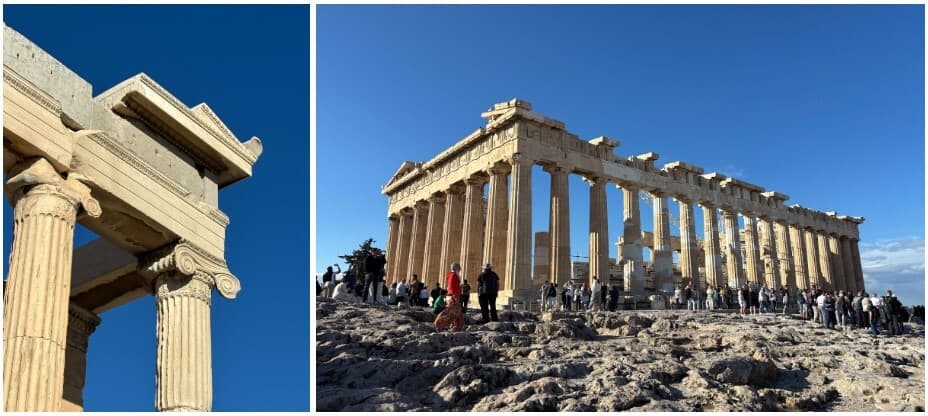
For us, the answer lives in moments around the world: studying an ancient Greek city, attending an international design festival, or collaborating with our teams in Latin America on locally rooted workplaces. These wanderings form a mental library we draw from daily, anchoring our approach in colors we’ve seen, materials we’ve touched, and people we’ve met. Decisions gain depth, materials carry richer meaning, and storytelling becomes more nuanced. Every journey is different, yet each teaches us to embrace discomfort, stay flexible, and remain open to innovation.

Eyes Wide Open
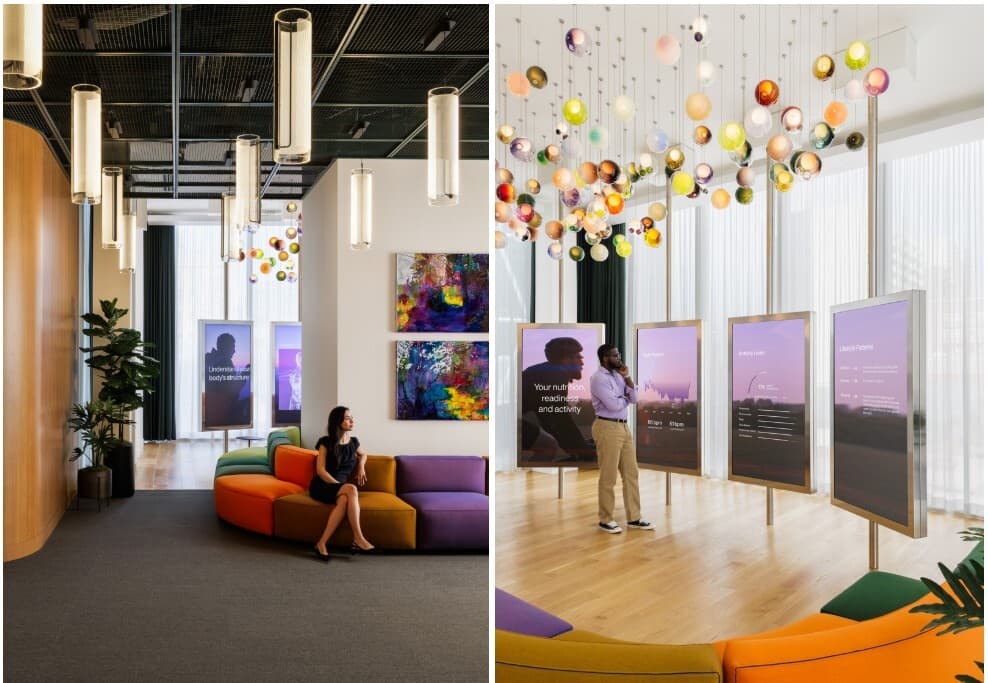
Traveling challenges expectations and reveals how people naturally engage with space and one another. A street in Milan, a restaurant in Mexico City, or a visit to another Gensler office becomes a form of continuing education. In practice, we want the spaces we design to feel human and connected, bringing together the familiar and the unexpected.
Exploring new cities, or revisiting familiar ones, adds to a mosaic of ideas that inform how we tackle our work. We observe what other creatives are doing, from fashion houses experimenting with materials to immersive retail environments and tech-driven art installations, and these encounters broaden our thinking about design possibilities.
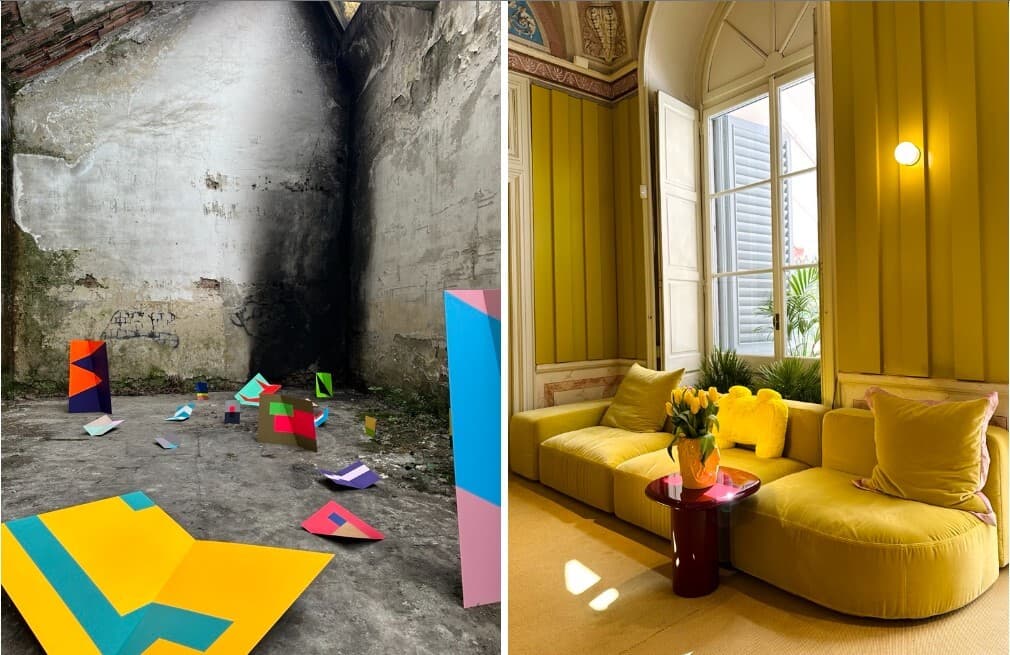
Immersion doesn’t always require distant travel. Rediscovering your hometown or nearby neighborhoods can provide the same clarity. Observing local rhythms and overlooked details reconnects us with the roots that shape our instincts, keeping us grounded and reminding us why we are passionate about design.


A Global POV
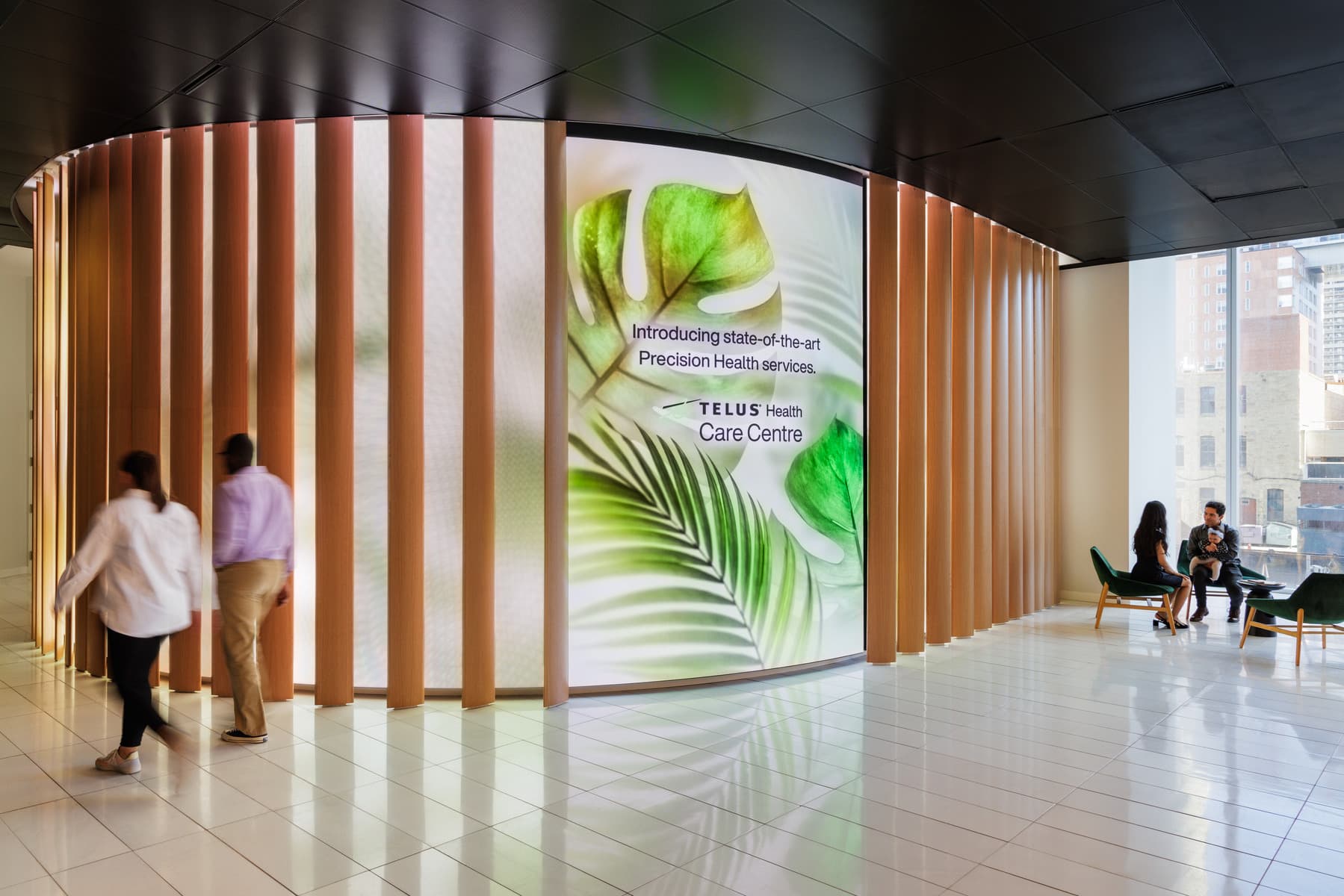
Stepping outside of familiar geography offers a fresh perspective. Travel reveals the vastness and intricacy of the world, cultivating awareness of local distinctions and cultural differences. True inclusivity begins with noticing how communities live and interact, whether in bustling markets, along city streets, or over café conversations. Full immersion sparks imagination and leads to designs that respond meaningfully to human needs.
Detail-Oriented
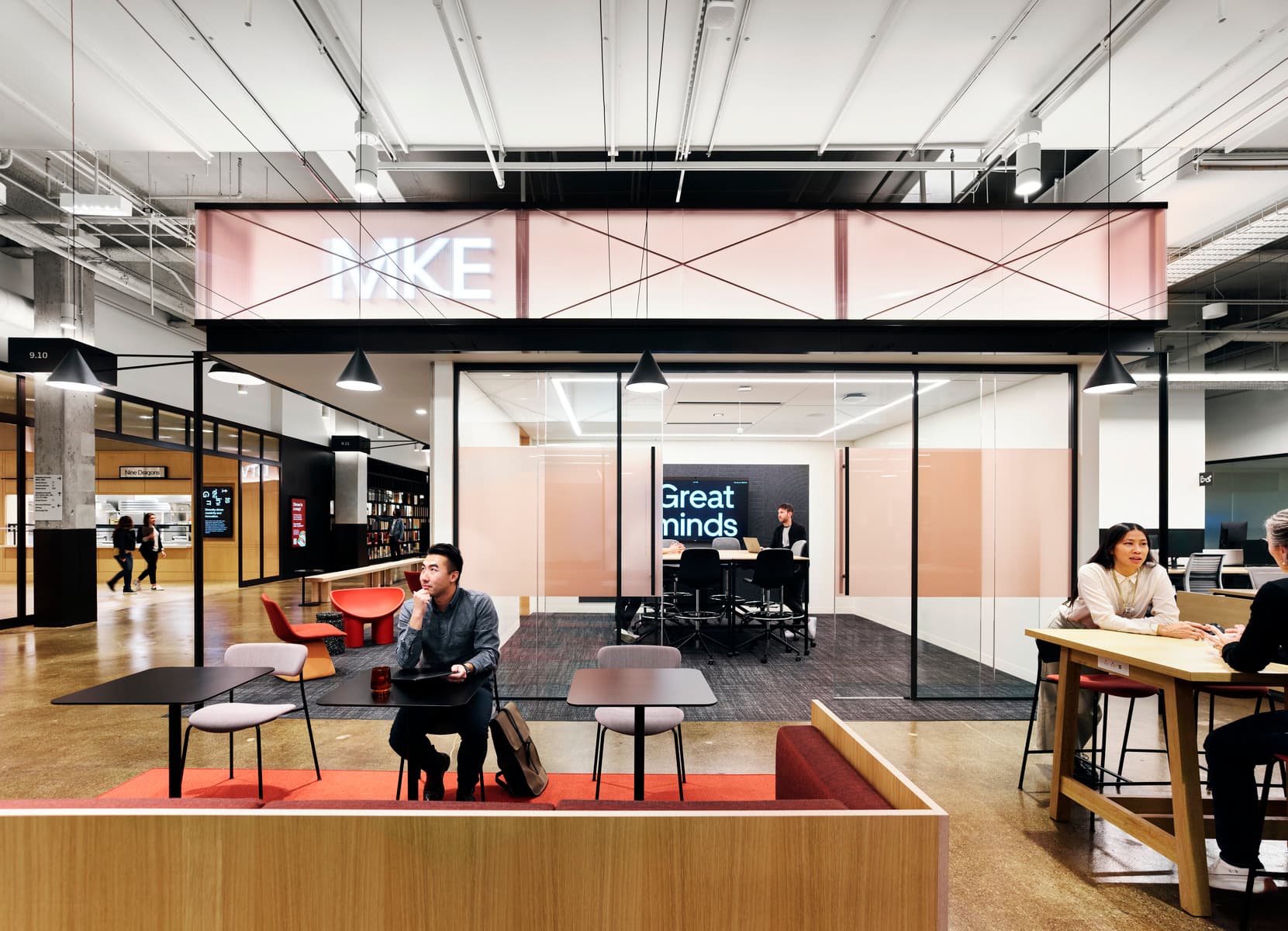
Details matter. The shadow play across buildings, the texture and color of facades, and the interplay of old and new generate ideas for projects. Experiencing modern interventions within centuries-old buildings, like juxtaposing contemporary furniture and lighting with vintage interiors, teaches us to balance past and present thoughtfully. Layered history and multidisciplinary craft can deepen our understanding of materiality and narrative. Documenting these observations through photography and sketches creates a portable toolkit for future reference.
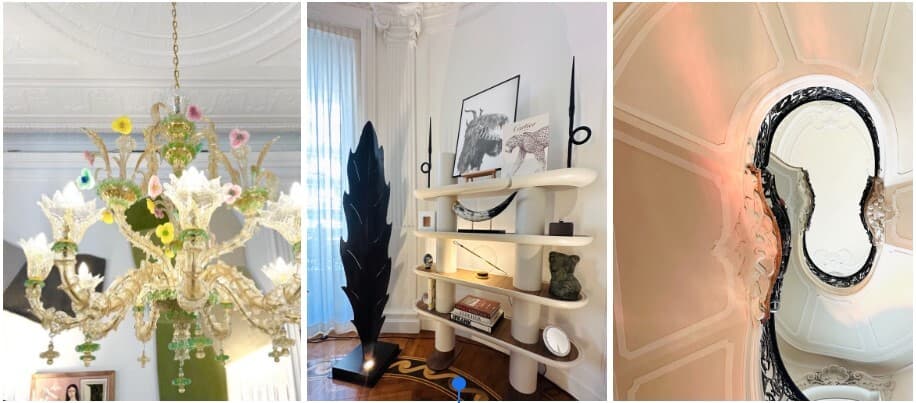
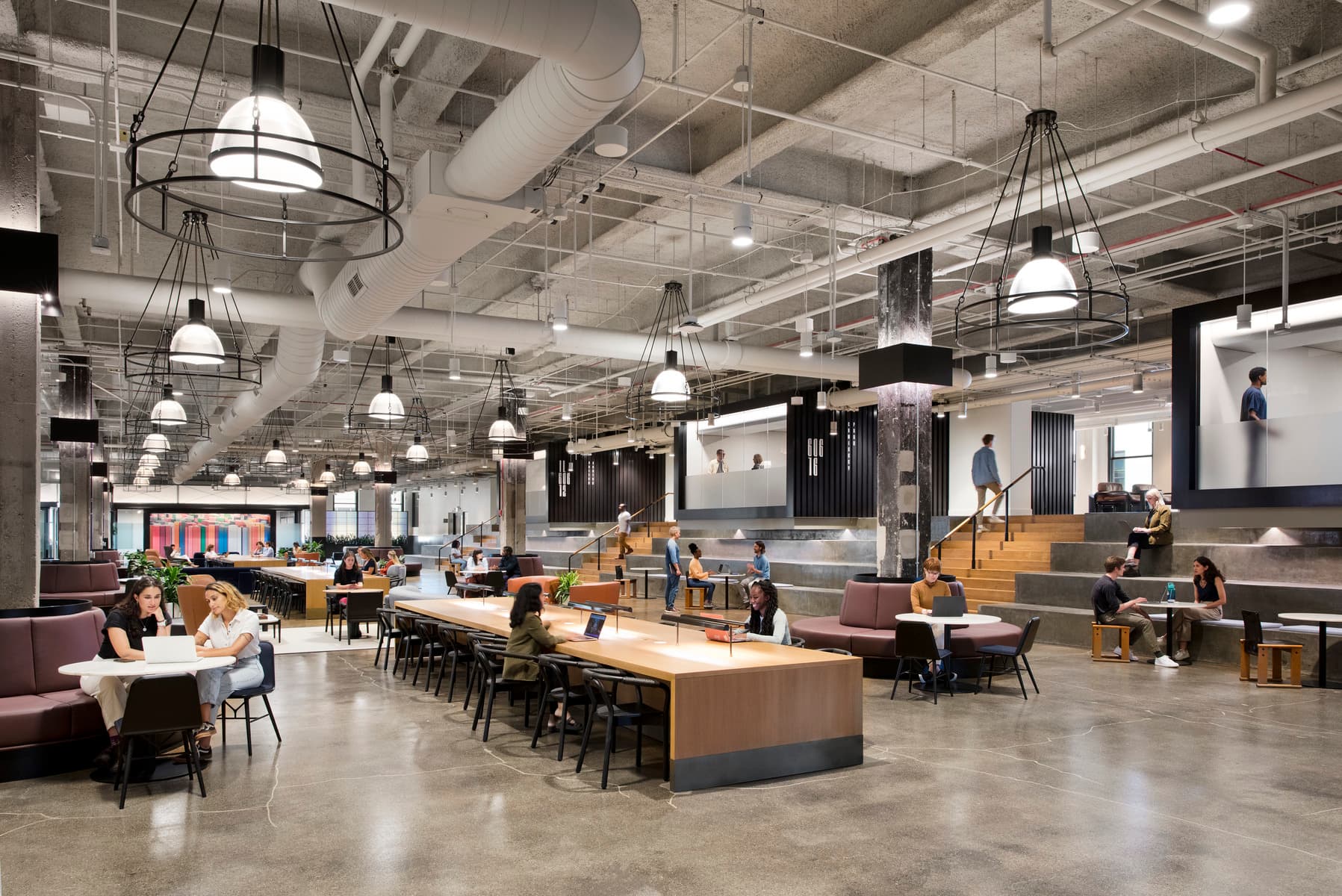
As designers, traveling changes how we see and how we approach projects and clients. It disrupts routine, expands aesthetic and cultural vocabulary, and strengthens empathy. Observing how others honor heritage while pushing boundaries reminds us that design can respect the past while moving forward. Exposure to diverse languages, cuisines, and traditions enriches our approach and enables more engaging connections with clients. Every journey leaves its trace, shaping the spaces we design and the stories they tell.

