
Lighting’s past
For years, lighting has been defined by performance - meeting targets for brightness, efficiency, and uniformity. But we’ve learned something important: the light we design doesn’t just help people see - it influences how they feel, focus, and function.
From my early work at NASA, I studied the physiological effects of light, and a deeper understanding emerged - light is not just visual, it’s biological.
Today, we recognize that most interior environments fall short of what the body needs - particularly the kind of light we get from the blue sky. That realization is reshaping how we think about lighting in design.
Lighting’s present
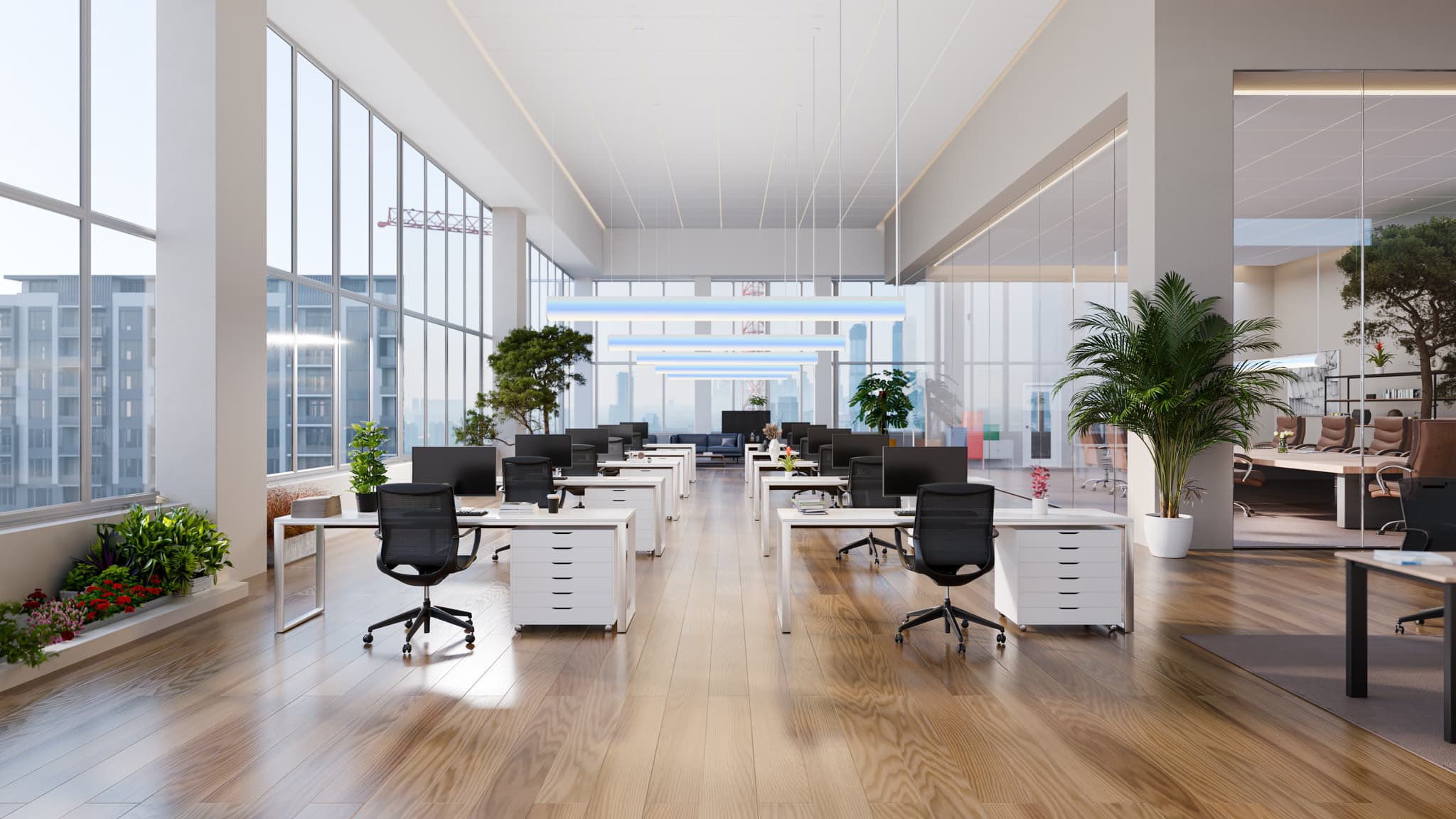
We’re in a moment of transition.
Designers are no longer just balancing aesthetics and code compliance- they’re being asked to consider how light supports wellbeing, energy, and experience throughout the day.
The question isn’t just “Does it look good?”
It’s becoming: “How does it make people feel over time?”
And realistically, can we design lighting that delivers on performance, beauty, and human impact? We believe the answer is “with some changes to our current lighting design practices, yes”
Lighting’s future
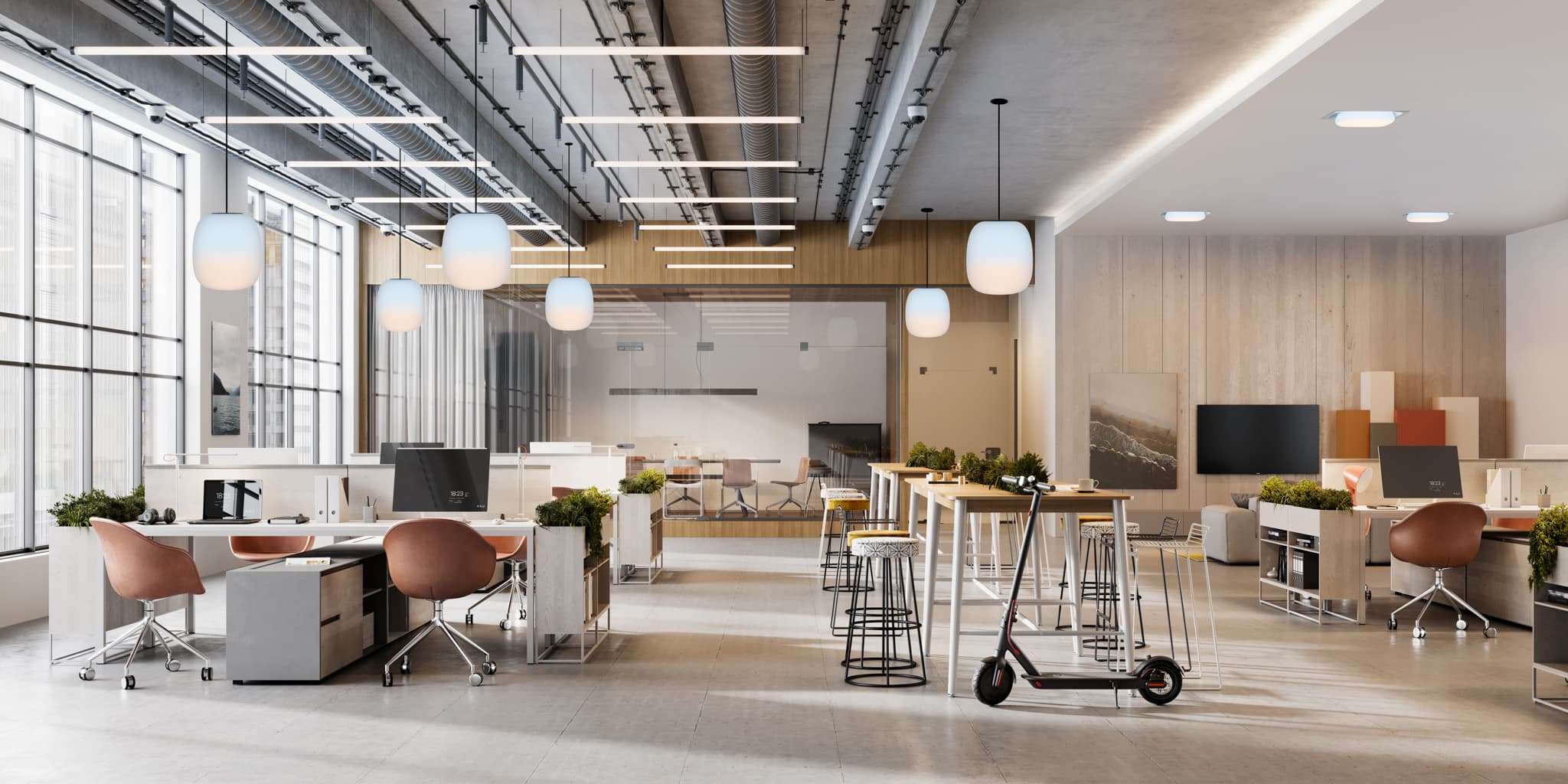
The future isn’t about choosing between design and performance; it’s about integrating them.
Lighting is evolving into a system that quietly supports people while elevating space. Three shifts are shaping that future:
- Light that supports people, not just tasks
Lighting will support mood, focus, and daily rhythms, without users needing to think about it.
- Light that works with nature, not against it
When we look for light that benefits humanity, we don’t have to look far. Natural lighting has all aspects we need. We need to embrace its power and deliver it similarly indoors to create fresh and natural feeling spaces.
- Light and architecture work together
To deliver proper biologically meaningful light, materials, textures, and colors must all be considered together. Working together to create a space that feels balanced, yet vibrant and productive.
One of the biggest enablers of this shift is intelligent lighting systems. Science and technology come together to provide light that meets visual needs and biological needs together.
When controls and automation is introduced, designers can now shape light across the day; cooler, brighter light that supports energy and focus, transitioning to warmer, softer tones that help people unwind, delivered seamlessly without user intervention.
This isn’t about turning lighting into a science experiment.
If anything, it opens more creative freedom.
Understanding how light affects people allows designers to choreograph space. Energized in the morning, calming in the evening, and aligned with the intent of the environment.
Lighting becomes more than a layer; it becomes a design medium.
The takeaway
The future of lighting isn’t just smarter or more efficient.
It’s more human.
It supports wellbeing, enhances experience, and gives designers new tools to shape how a space truly performs, not just how it looks in a moment, but how it lives over time.
