
Too many trend pieces circulating in commercial interiors could have been written at almost any point in the past decade. The vocabulary is familiar: collaboration, flexibility, wellness, hospitality. Meanwhile, the actual nature of work has shifted dramatically. Employees have the leverage they lacked before. Office, residential, and hospitality are converging into environments that serve entirely different purposes than their original briefs. AI is reshaping how organizations build their workforces and make decisions, not just how buildings get designed.
The designers and dealers who stand out in this environment will be the ones who sound different from everyone else in the room. The five shifts below come from years of research and executive advising across radical disruptions to the nature of work, alongside deep observation of how corporate real estate and facilities leaders are navigating both.
They are the perspectives that people who study work dynamics for a living wish more designers were making, and that future real estate leaders will recognize as differentiated.
Arrive with a point of view on the future of work
Clients hire vendors for products. They hire strategic partners for perspective. Designers who show up with a current, specific view on how work is evolving — what's driving attendance decisions, what employees actually want from a physical environment when they have real alternatives, how the definition of workplace is expanding beyond any single asset type — signal something a finish board cannot.
Ask your client how their place will prove its purpose
Two questions belong at the start of every project: What is this space actually for? And how will the building itself be able to prove it worked? Connecting design decisions to measurable outcomes gives the work a business case that survives a budget review and a relationship that survives installation. And it’s not just cost per square foot anymore; find deeper value with client visits, social capital, job offer acceptance rate, etc.
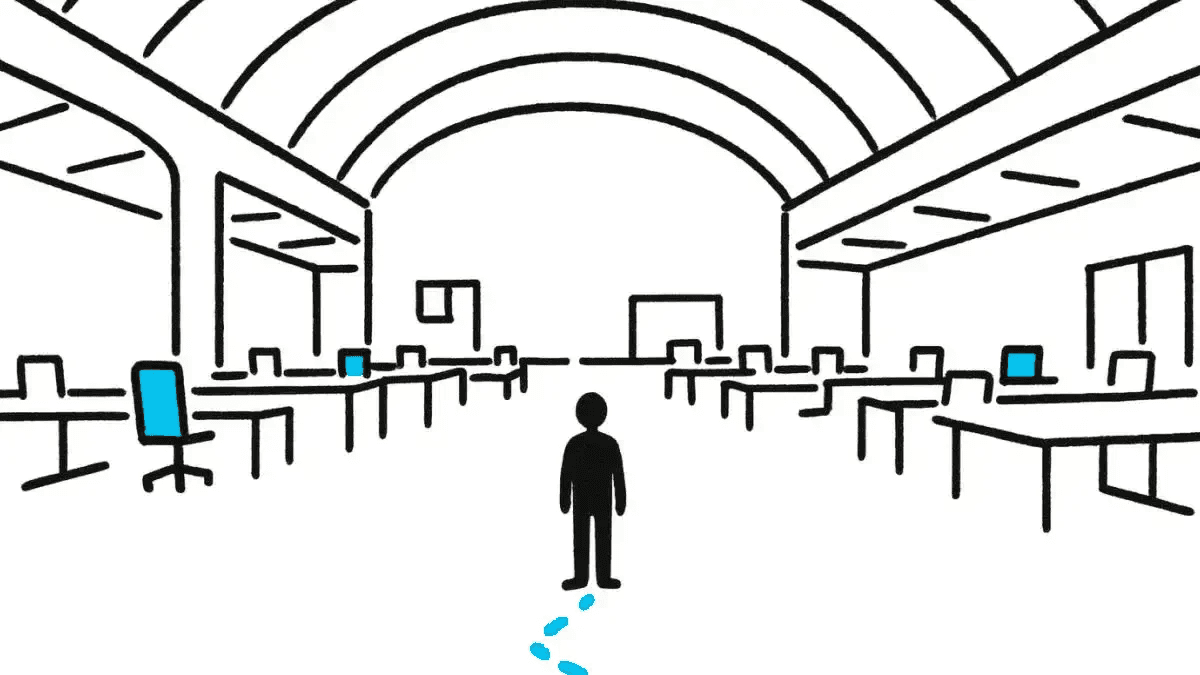
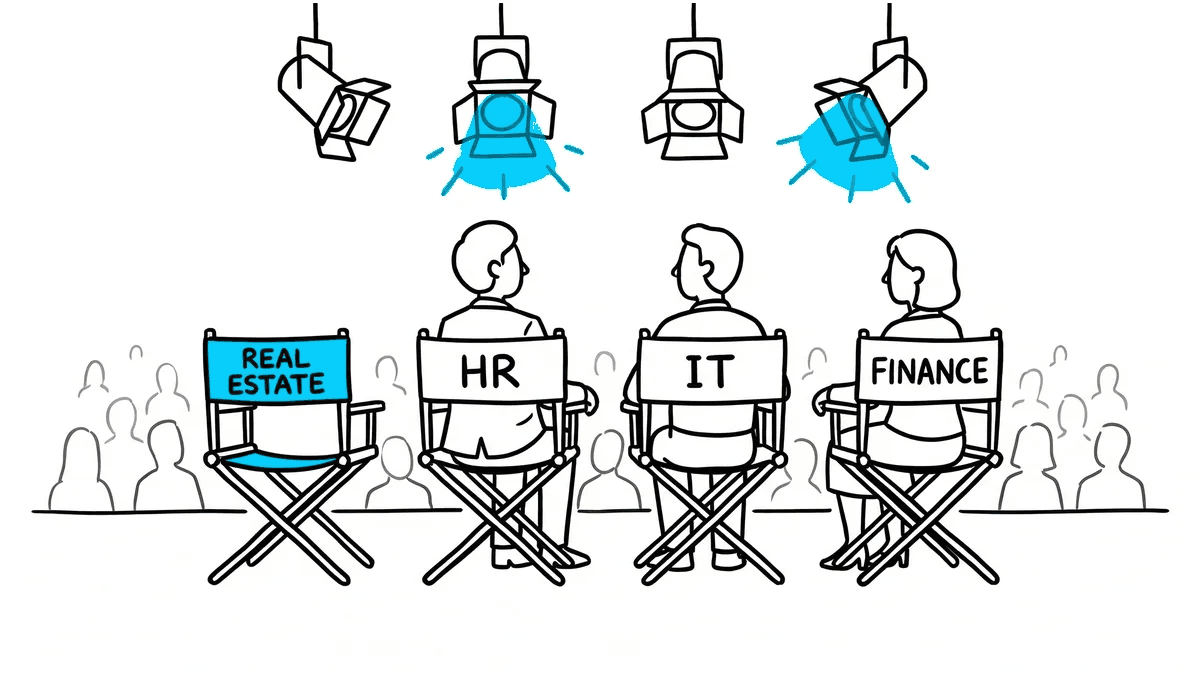
Get in the room with HR and IT, not just real estate
Space decisions now require sign-off from stakeholders who think about behavior and digital infrastructure, not square footage. HR cares about culture, onboarding, and retention. IT cares about how people actually collaborate across tools and locations. A designer who can connect physical choices to the problems those functions are trying to solve tends to win work that others lose at the committee stage.
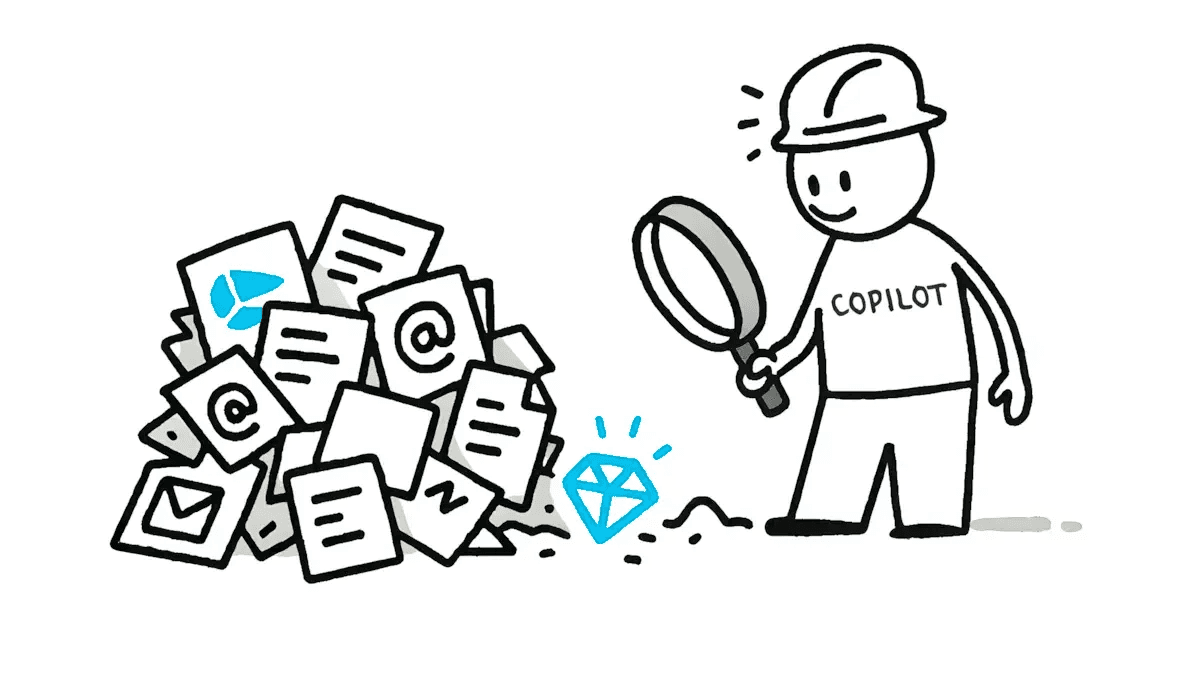
Show how you use AI to innovate and accelerate decisions
Organizations face pressure to make decisions quickly with less certainty than ever. Designers who demonstrate how AI tools help model scenarios, stress-test layouts against shifting headcounts, and accelerate planning cycles speak directly to that pressure — and signal seriousness about where the industry is heading.
Treat the project as a product with a lifecycle
The most valuable client relationships extend past installation. That requires arriving with a plan for what happens next: a pilot phase, a feedback loop, and a configuration review six months in. Spaces have users, outcomes, and iteration cycles. Propose that framework before the client thinks to ask. If your direct contact doesn’t get it, aim higher.
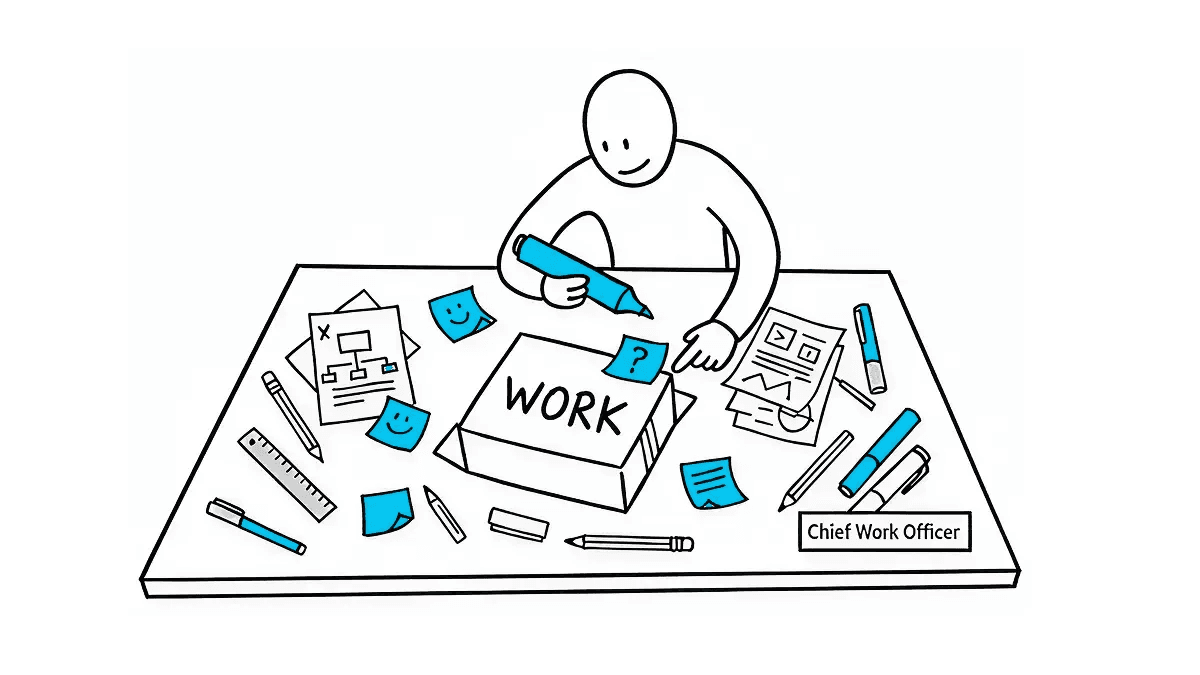
Not sure how urgent these mindset shifts are for the design industry? Some of the most widely-read books on organizational transformation currently circulating in executive circles barely mention the built environment at all. The people making decisions about culture, agility, and connection are thinking in radical, agile systems.
They need partners in the room who think the same way. That is the opening this industry has.
